QEHB leads UK recruitment for international study exploring exceptional cancer survival
Published on 04/11/2026
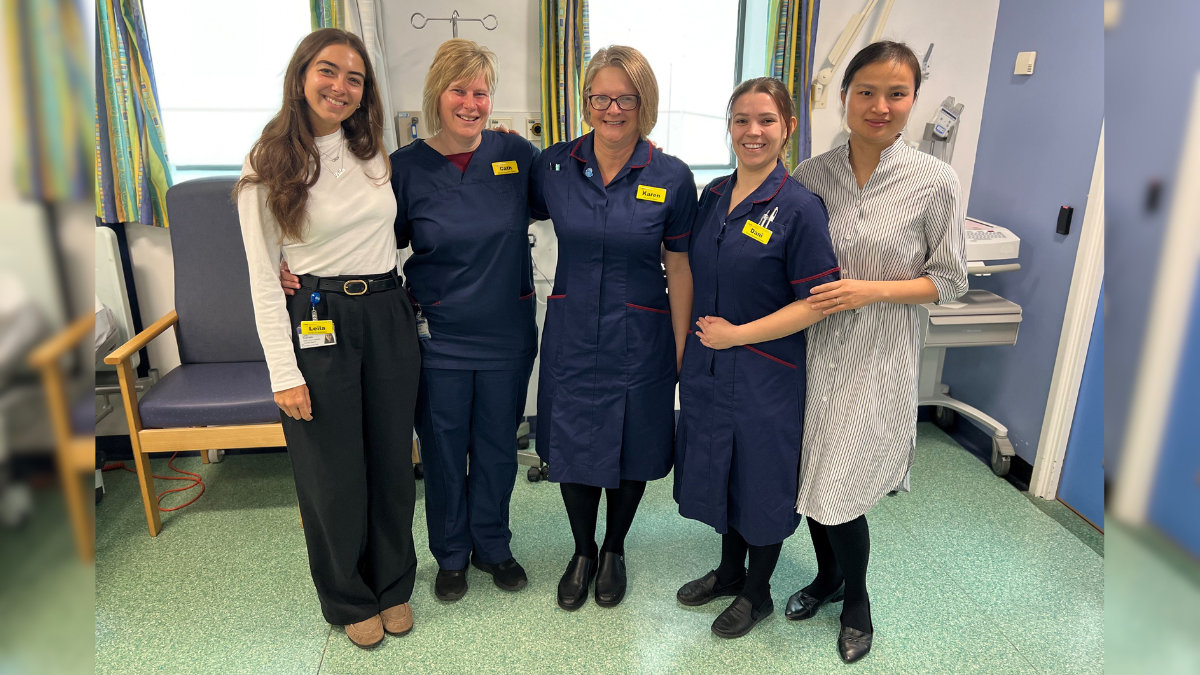
A research team at Queen Elizabeth Hospital Birmingham (QEHB) has been recognised as the UK’s highest patient recruiter for an international study investigating why some individuals survive aggressive cancers far longer than expected.
Led by French Techbio company Cure51, the Rosalind study aims to uncover the biological mechanisms behind exceptional long-term cancer survival, with the hope that this could lead to more effective cancer treatments.
Researchers are focusing on three groups of exceptional survivors: those who have lived for more than five years following a diagnosis of extensive-stage small cell lung cancer, metastatic pancreatic ductal adenocarcinoma and glioblastoma.
This retrospective study has already collected tumour samples from more than 1,250 consenting patients in over 40 countries worldwide, with recruitment still in progress for eligible patients in the three cohorts.
QEHB is one of 19 UK cancer centres participating in the study and has recruited 14 long-term survivors to date, the highest number of any UK site.
Among those contributing to the research is Jill Ronan, 64, from Sutton Coldfield, who was diagnosed with a glioblastoma in 2017. She was told that while her cancer could be treated, it could not be cured.
Shortly after her diagnosis, Jill underwent surgery, radiotherapy and six months of chemotherapy at QEHB. She continues to be monitored at the hospital, attending regular scans every six months.
Almost 10 years after her diagnosis, Jill describes herself as “feeling fine” and “just carrying on with life”. She enjoys daily walks with her husband and dog and remains grateful for the care she has received.
Jill said: “I just feel very lucky to be here. Dr Sara Meade, my consultant, is absolutely fantastic. I can’t thank her enough for everything she has done for me. Everyone at QEHB has been so good - from my surgery through to my ongoing care, they have always looked after me and supported me.”
“I was more than happy to take part in this study because I think brain tumour research is an area that has never had the profile it deserves, and I wanted to do anything I could to help improve that and support future patients.”
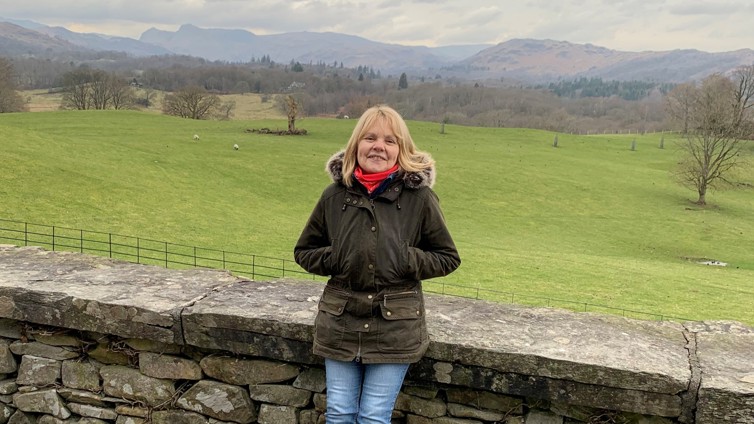
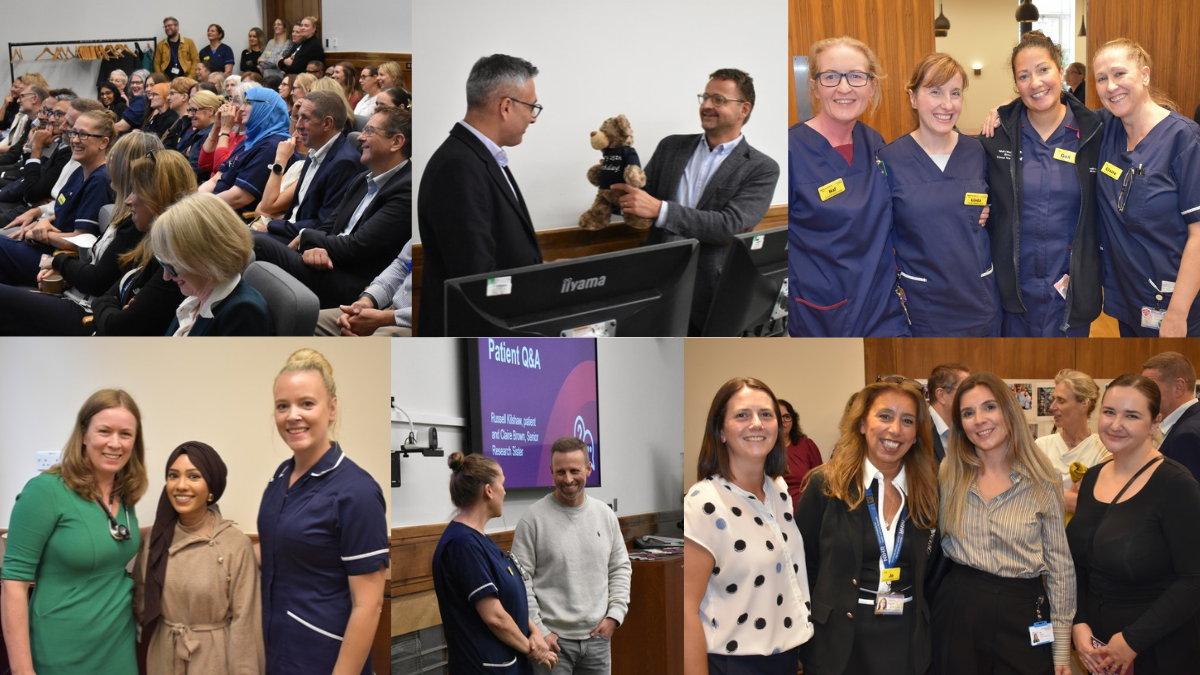
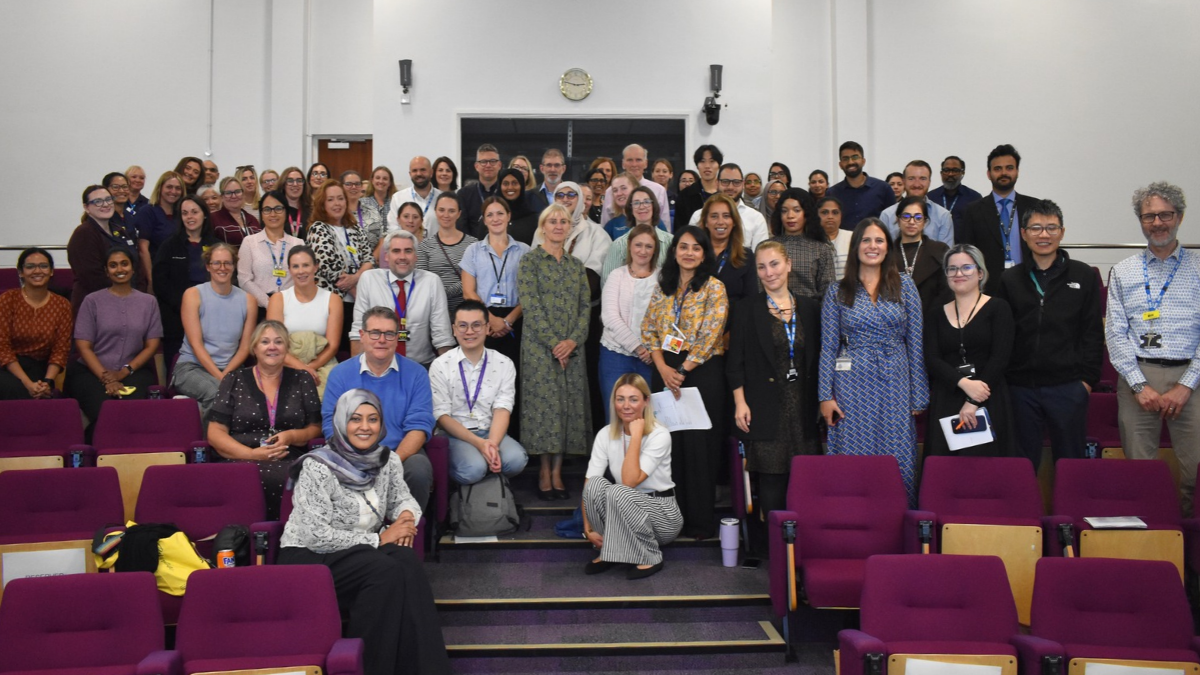
Recruiting patients like Jill has been made possible through the collaborative efforts of colleagues across the cancer research team at QEHB.
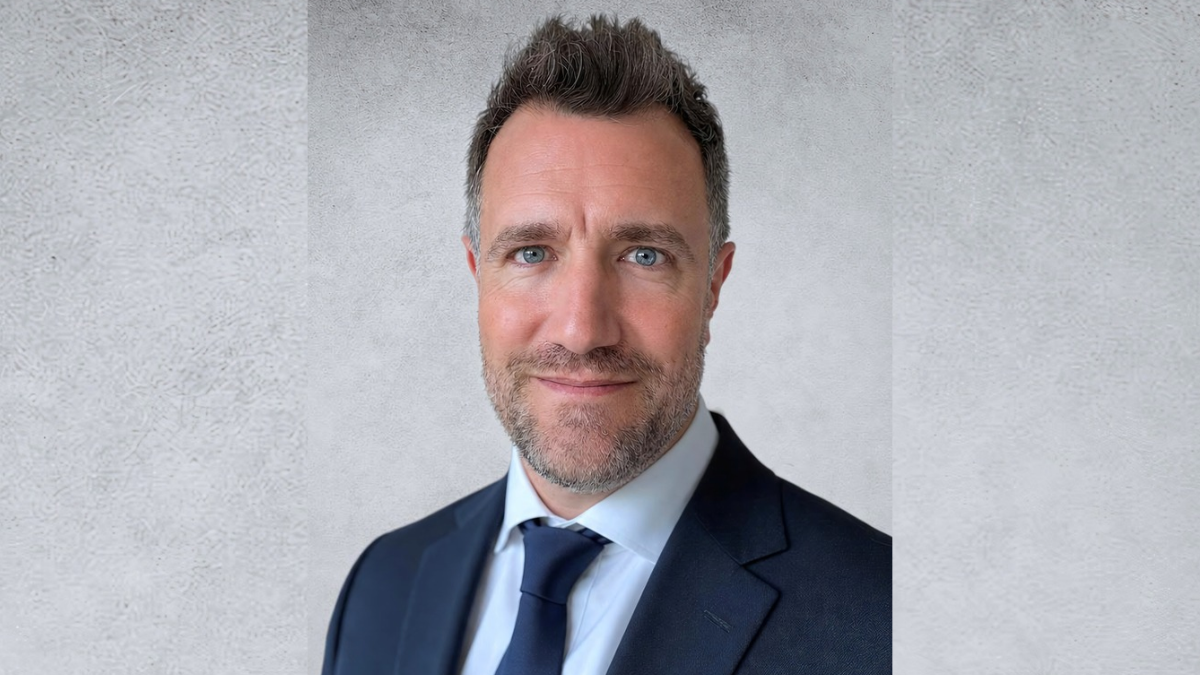
Helen Benghiat, Consultant Oncologist and Principal investigator for the study at QEHB, said: “We are incredibly grateful to Jill and all the patients who have agreed to take part in this important study. Their willingness to contribute to research will help us better understand why some people experience exceptional long-term survival following a serious cancer diagnosis.
“Achieving the highest recruitment rate of any UK site is a fantastic achievement and reflects the dedication of our research teams and the support of our patients. By collecting and analysing these samples, we hope to uncover new insights into the biology of these cancers and ultimately help improve treatments for future patients.”
Cure51’s Co-Founder and CEO Nicolas Wolikow said: “Cure51 would not be possible without access to the rare and invaluable data of exceptional cancer survivors. Our partnerships with hospitals are therefore essential to the project’s success and growth. Our collaboration with the Queen Elizabeth Hospital Birmingham (QEHB) is exemplary: from the speed of the processes put in place to the quality of the samples shared. The enthusiasm of the local teams is contagious and helps fuel this collaborative endeavour every day.”
The Rosalind Study is still recruiting new patients at QEHB. Anyone interested in finding out more about the study or taking part is encouraged to speak to their care team.
This article is part of our research news collection.
Visit our dedicated research site for more research and innovation news from UHB.