Queen Elizabeth Hospital Birmingham celebrates major milestone in robotic spine surgery
Published on 30/10/2026
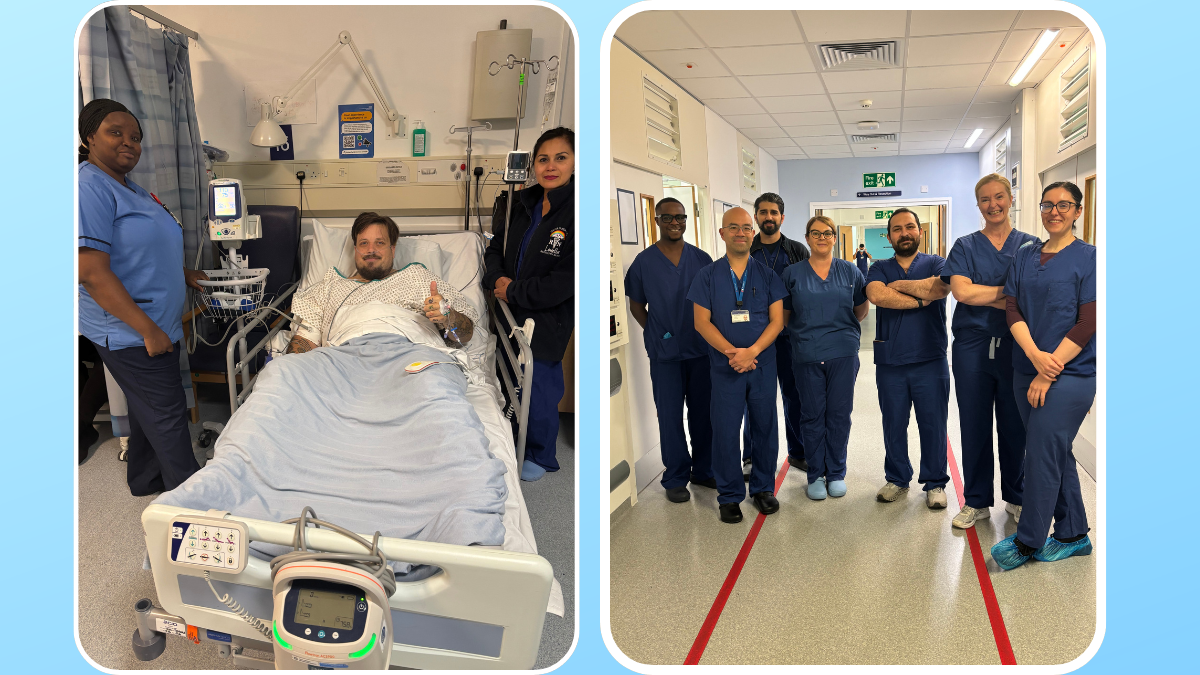
Surgeons at Queen Elizabeth Hospital Birmingham (QEHB) have reached a major milestone after treating their 50th patient using innovative robotic technology for spinal surgery.
Introduced at QEHB in April 2026, the ExcelsiusGPS® robotic navigation system supports surgeons in planning and carrying out spinal procedures with greater accuracy. The technology supports less invasive surgery, reduces radiation exposure and aids a quicker patient recovery.
Judith Kelly became the 50th patient to benefit from the system after persistent back problems began affecting her mobility and daily life.
Judith said: “My back problems started many years ago after a car accident. I have had back problems on and off ever since. Then 15 months ago after a minor car accident, it seemed to have returned with a vengeance along with additional problems, including back spasms and walking at a 45-degree angle to the left. I found myself limited in my walking and daily duties and felt like a ‘bobble head’ going around in circles when I was simply walking.
“It was at the GP surgery for another issue that I was asked about my walking which led to a referral to a pain clinic and assessment to have an MRI scan. After many months of being told that the L4 and L5 spinal segment was crumbling and that I had a slipped disc, I was also told that another segment was crumbling too. Subsequently I was referred to Dr. Leung.
“Following this operation, I would like to stand properly without drawing attention to myself and walk and play with my granddaughter like I used to do. This surgery offered me the best of both worlds - specialist treatment but using a less invasive approach. I can already see and feel the positive effects.”
Christopher Rowe became the 51st patient to undergo surgery using the technology after experiencing gradually worsening back and leg pain.
Christopher said: “Strangely enough, I first noticed some back pain when I stubbed my toe. The pain gradually became worse and, following investigations, I was diagnosed with degenerative disc disease. Needing this operation at some point was inevitable.
“The procedure was explained well, and it is mind-blowing to think that a robotic system was used.”
ExcelsiusGPS® provides real‑time images of a patient’s spine during surgery and uses a robotic arm to guide the accurate placement of spinal implants, including screws and interbody cages. This allows surgeons to work more precisely while reducing the need for repeated X‑rays.
Mr Andraay Leung, Consultant Spinal Surgeon at QEHB, said: “This technology supports our aim to provide the safest and best possible care for our patients. Robotic navigation helps us operate with greater accuracy and confidence, bringing clear benefits for patients and theatre teams.
“Reaching our 50th procedure less than six months after introducing the system is a tremendous achievement. It required extensive preparation, including training for surgical, theatre and radiology colleagues, changes to the theatre set-up and the re-design of operating workflows. It has been a true team effort.
“The system improves the accuracy of spinal implant placement to minimise the risk of intraoperative nerve injury to patients and reduces radiation exposure for patients and staff. It also allows us to carry out some complex procedures in one position and during a single surgical session, rather than operating on different days or repositioning the patient.”
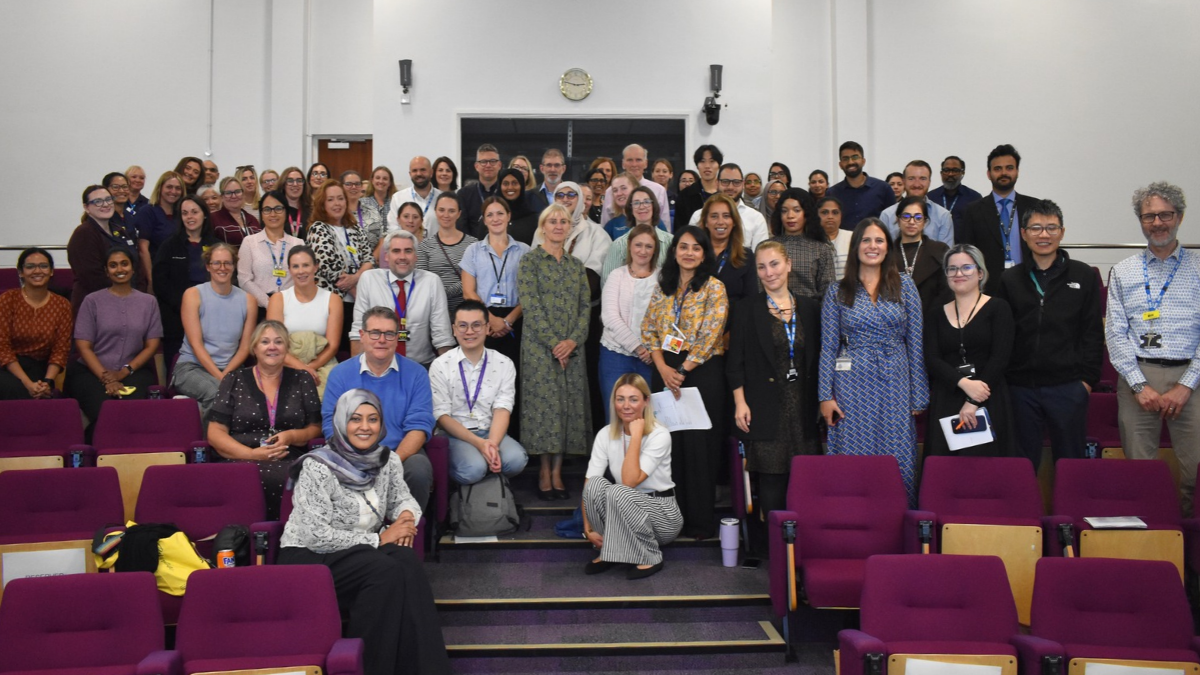
The milestone coincided with an educational visit organised through Eurospine (European Society for Spinal Education), and welcomed surgeons from Italy, Turkey, Denmark, Romania and Austria. The visit recognised the team’s rapid adoption of ExcelsiusGPS® and its use in complex spinal surgery.
Matt Metcalfe, Hospital Executive Director at QEHB, said: “This is a fantastic achievement for the whole team. This innovation is helping to improve patient outcomes and support quicker recovery, resulting in a better patient experience.
“I am proud that this technology is making such a significant difference to the lives and providing simply better care for our patients.”
QEHB is part of University Hospitals Birmingham NHS Foundation Trust, one of the largest NHS foundation trusts in the country and is recognised for its specialist care, research and innovation. The introduction of ExcelsiusGPS® reflects the Trust’s ongoing work in advanced technology to improve care and outcomes for patients.
ExcelsiusGPS® was developed by Globus Medical, a company specialised in designing advanced systems and implants to support safer and more effective spinal surgery.