Cardiology team reaches major milestone
Published on 22/07/2026
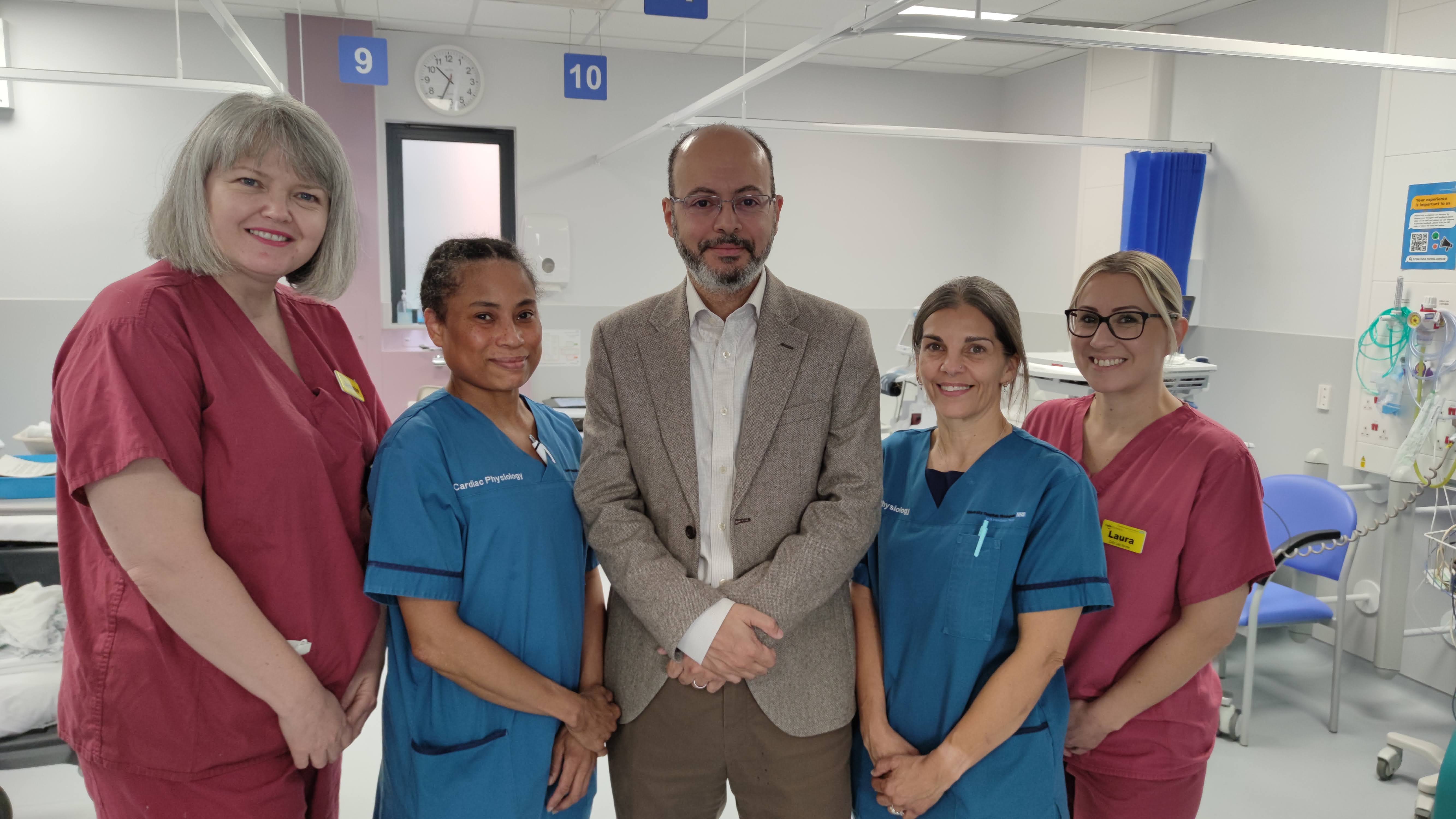
More than 100 patients at Good Hope Hospital have now benefited from conduction system pacing, a technique that helps the heart beat more naturally and improves long-term outcomes.
Over the past two years, the pacing lab has carried out more than 100 procedures using the Medtronic SelectSecure 3830 lead. This reflects the growing use of this advanced technique to treat people with heart rhythm conditions.
Conduction system pacing works with the heart’s natural electrical system. It helps the heart beat in a more normal way compared with traditional pacemakers.
Dr Hossam Elsayed, Consultant Cardiologist at Good Hope Hospital, said: “Conduction system pacing is a way of helping the heart to beat more naturally using a pacemaker. Instead of sending signals to just one part of the heart, it sends them directly to the heart’s natural wiring system. This helps the heart pump more efficiently and in a way that is closer to how it works on its own. It can be better for long-term heart function compared with traditional pacing.”
Research shows that some patients who receive conventional pacemakers may develop heart failure. By better replicating the heart’s normal function, conduction system pacing aims to reduce this risk.
The service at Good Hope Hospital is supported by a weekly multidisciplinary team.
Patients are identified and discussed before being listed for the procedure.
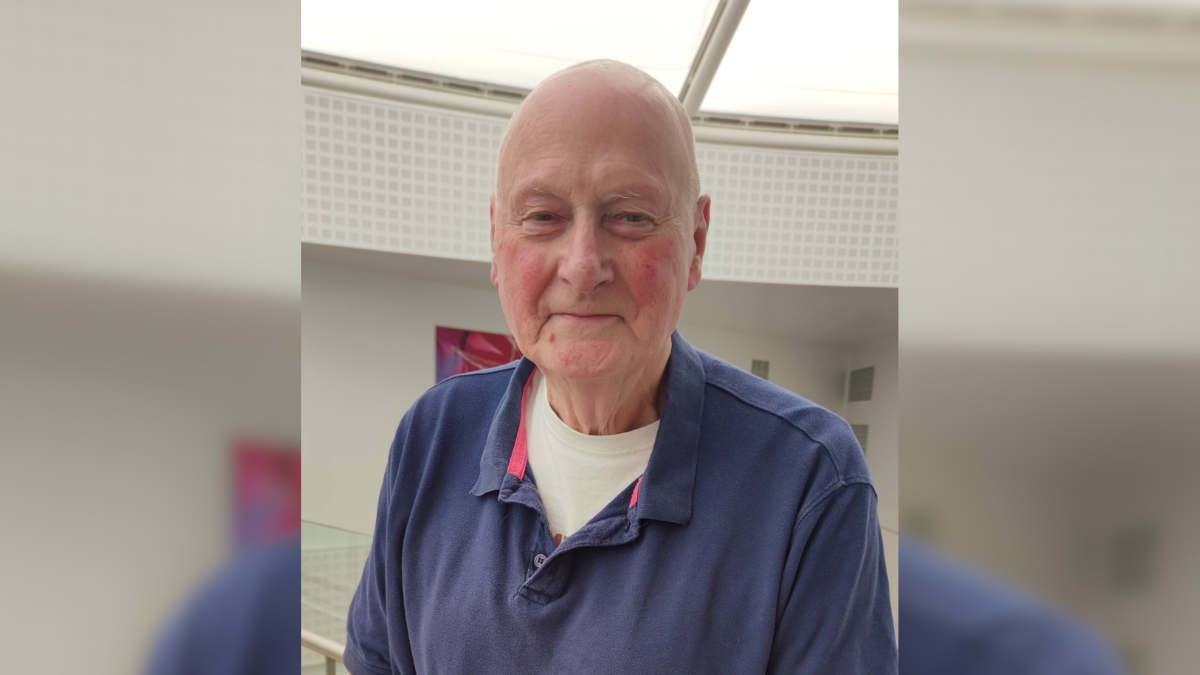
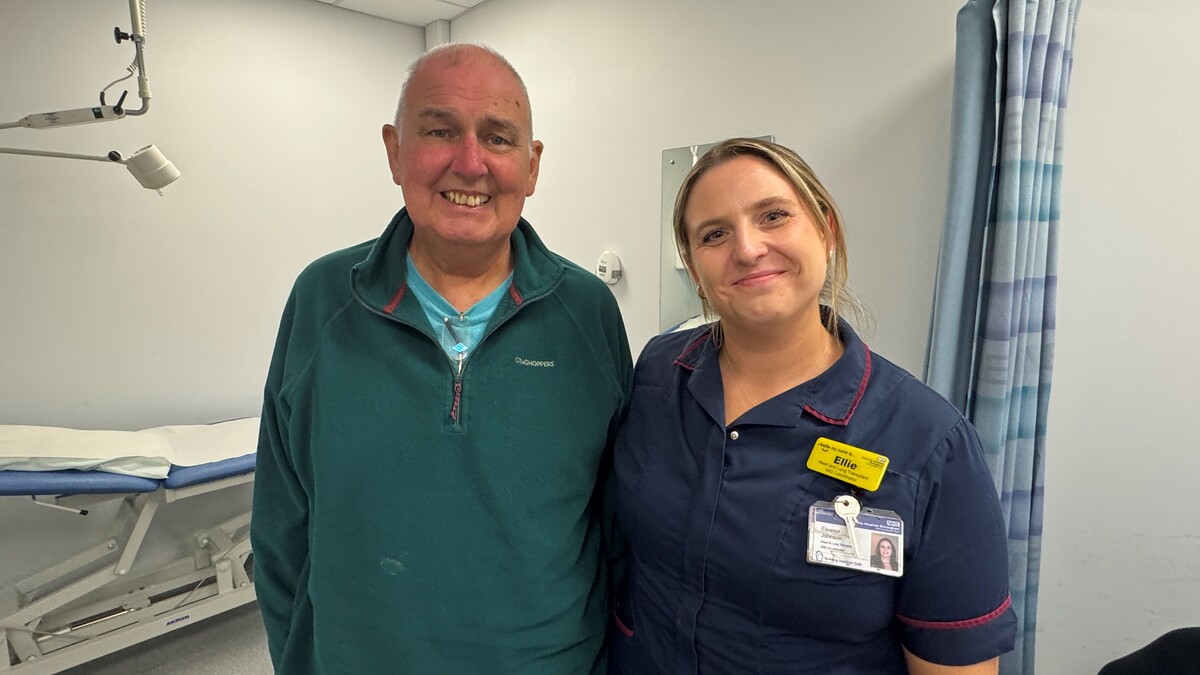
Keith Chambers, who is approaching his 79th birthday, has a long history of heart conditions, first experiencing problems in 1969, including a heart attack at the age of 21.
Reflecting on his care over the years, he said: “I was a patient at Good Hope Hospital back then, when it was practically brand new. Everyone who has looked after me has been brilliant.”
Keith had his most recent pacemaker procedure, conduction system pacing, in March 2025.
“It’s not pleasant when it’s being fitted, but it’s so worth it. The team worked extremely hard. I couldn’t have been better looked after. I couldn’t have had better treatment.”
The team is also contributing to international research. They are taking part in a multi-centre trial exploring the benefits of conduction system pacing and its role in preventing heart failure.
Dr Elsayed added: “This is likely to be the future of pacing. We are continuing to develop the service, train more colleagues and expand what we can offer to patients.”