Major investment to bring care closer to home in Solihull
Published on 10/11/2026
More than £5 million of NHS growth funding is being invested in community health and care services in Solihull.
The £5.28 million investment will help local people get earlier, more joined-up support closer to home, helping them stay well and independent for longer.
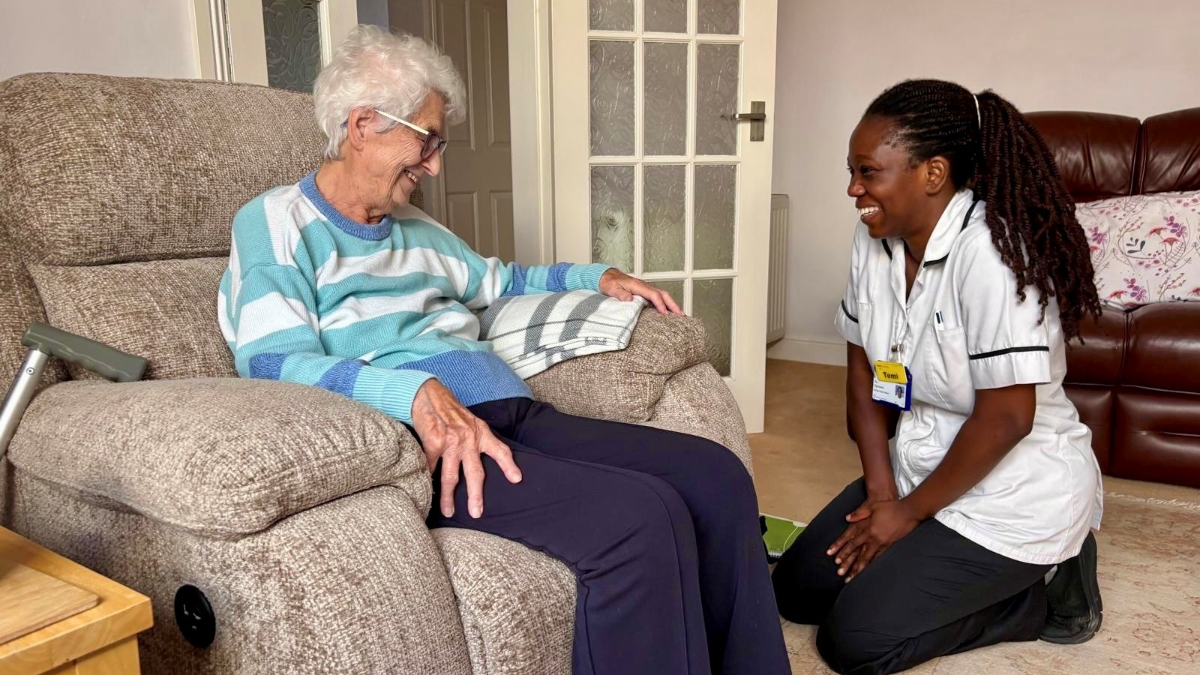
The investment will expand integrated neighbourhood teams, which support people with complex health and care needs. It will also establish a 24/7 urgent community response service, providing rapid care at home to help avoid unnecessary hospital admissions.
Funding will also support dedicated frailty assessment and improved rehabilitation for people recovering from a fractured hip. There will be better identification and support for people approaching the end of life.
The investment will strengthen respiratory care in the community and help more people recover safely at home following a hospital stay. It will also develop the infrastructure needed for neighbourhood health centres.
These centres bring health, care and community services together, making it easier for people to access joined-up support closer to home. They are an important part of the Government’s 10 Year Health Plan.
Together, these improvements form the Solihull Community Services Transformation Programme. It aims to provide more proactive and joined-up care, respond more quickly when people become unwell and help people remain independent at home wherever possible.
The programme has been developed by the Solihull Locality Delivery Partnership (LDP), which brings together the NHS, GP practices, social care, and voluntary and community organisations. Together, they aim to make care simpler, more joined up and better designed around the needs of local people.
Dr Nish Patel, GP and Clinical Lead for the Solihull LDP, said: “Demand is growing, pressure on services is clear and health inequalities across Solihull remain stark.
“This investment by NHS Birmingham and Solihull will allow us to transform the way we support local people, providing more proactive, joined-up care for those who need it most and helping people stay well, supported and independent in their own communities.”
Martin Richardson, Hospital Executive Director for Solihull Hospital and Community Services and member of the Solihull LDP, said: “This investment is about bringing organisations together around the needs of local people and making it easier for them to get the right care, at the right time and as close to home as possible.
“Solihull is also leading the way by testing some elements of community transformation before wider rollout across Birmingham and Solihull. This gives us an opportunity to develop new ways of working and demonstrate the difference they can make for patients.”
The investment forms part of the wider Neighbourhood Health programme across Birmingham and Solihull. The programme is changing the way health and care is delivered by bringing more support into local communities and placing greater emphasis on prevention.
Neighbourhood Health supports the Government’s 10 Year Health Plan and its three major shifts: from hospital to community, from sickness to prevention and from analogue to digital.
Local people, patients, carers and community organisations will continue to help shape the programme so that services reflect the needs of Solihull’s communities.