First patient in Birmingham treated with newly approved therapy for aggressive blood cancer
Published on 23/03/2026
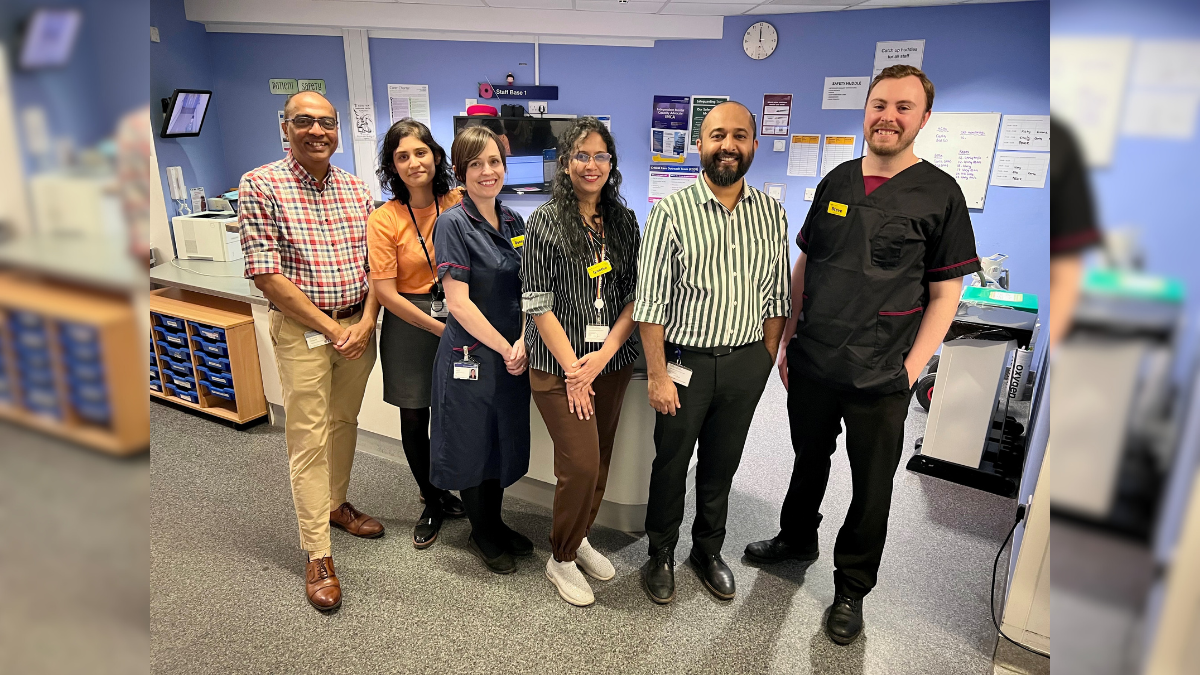
A 28-year-old patient from Shrewsbury has become the first person in Birmingham to receive a new personalised CAR T-cell therapy, known as obe-cel, at Queen Elizabeth Hospital Birmingham (QEHB), since its approval for NHS use late last year.
The innovative treatment offers a new option for patients with an aggressive type of blood cancer called B-cell acute lymphoblastic leukaemia (B-cell ALL), where existing treatments have not been successful.
B-cell ALL is the most common type of acute lymphoblastic leukaemia, a fast-growing cancer of the blood and bone marrow, with around 800 people diagnosed in the UK each year.
The treatment involves taking a patient’s immune cells and reprogramming them in a laboratory to recognise and attack cancer cells. These cells are then returned to the body, acting as a form of ‘living medicine’.
Eligible patients receive two doses of CAR T-cell therapy intravenously, given ten days apart. As of November 2025, people aged 26 and over can now access the treatment via the NHS at selected specialist CAR-T centres across the country.
The rollout follows years of clinical research aimed at improving treatment options for patients with B-cell ALL. Existing treatments, including chemotherapy, immunotherapy, and stem cell or bone marrow transplant, result in relapse for around 50% of adult patients, with low chances of cure and long-term survival.
QEHB was among the centres involved in the FELIX trial which supported its approval for NHS use, led locally by Dr Sridhar Chaganti, Consultant Haematologist at QEHB.
The trial found that 77% of patients achieved remission, with half of those showing no signs of detectable cancer after three and a half years. The therapy was also found to have lower toxicity and was less likely to cause serious side effects than other CAR T-cell treatments.
Four patients received obe-cel at QEHB as part of the trial, including Iain McDonalds, 39, from Tamworth, who was treated in November 2022 and has since remained in remission.
Iain said: “I had the traditional chemotherapy, radiotherapy and a stem cell transplant before, which took months and left me completely wiped out. The obe-cel treatment was far less intrusive, much quicker, and had far fewer side effects.”
“It’s given me a lot more confidence. Before, I used to worry a lot, but now I don’t worry at all. That’s not to say I couldn’t relapse again, but I feel much more confident, and I’ve been able to move my life forward physically and mentally. I got married in 2024 and have since got back into fitness. Last year, I completed the Three Peaks challenge and a half marathon, and I’ve signed up for three ultra-marathons this year.”
CAR T-cell therapies are transforming the treatment of blood cancers, and since 2019 QEHB has delivered more than 300 treatments to patients. Research is also underway at QEHB to explore whether obe-cel could be used for other conditions, including autoimmune diseases such as lupus, highlighting its wider potential.
Donna Walsh, Cellular Therapies Lead Nurse at QEHB, said: “We are proud to have delivered our first obe-cel CAR-T therapy to a 28-year-old patient with ALL, marking an important milestone for our service. Having taken part in the FELIX trial, it is especially rewarding to now see this innovative treatment approved and available to patients in routine clinical practice.
“As the fifth CAR T-cell therapy now available at UHB, this further strengthens our ability to offer cutting-edge, personalised treatments to patients who may have limited options. Obe-cel represents a significant advance in cancer care, and bringing it into routine use highlights the pace of progress in this field.”
Dr Sridhar Chaganti, Consultant Haematologist and Lead for UHB’s Advanced Therapy Medicinal Products (ATMP) CAR-T Programme, added: “This achievement reflects the dedication and expertise of our multidisciplinary team, who have worked together to safely deliver this complex treatment. Most importantly, it represents a meaningful and hopeful step forward for patients and their families, and we are proud to continue expanding access to these life-changing therapies.”