Midlands Amyloidosis Service brings specialist care closer to home
Published on 24/10/2025
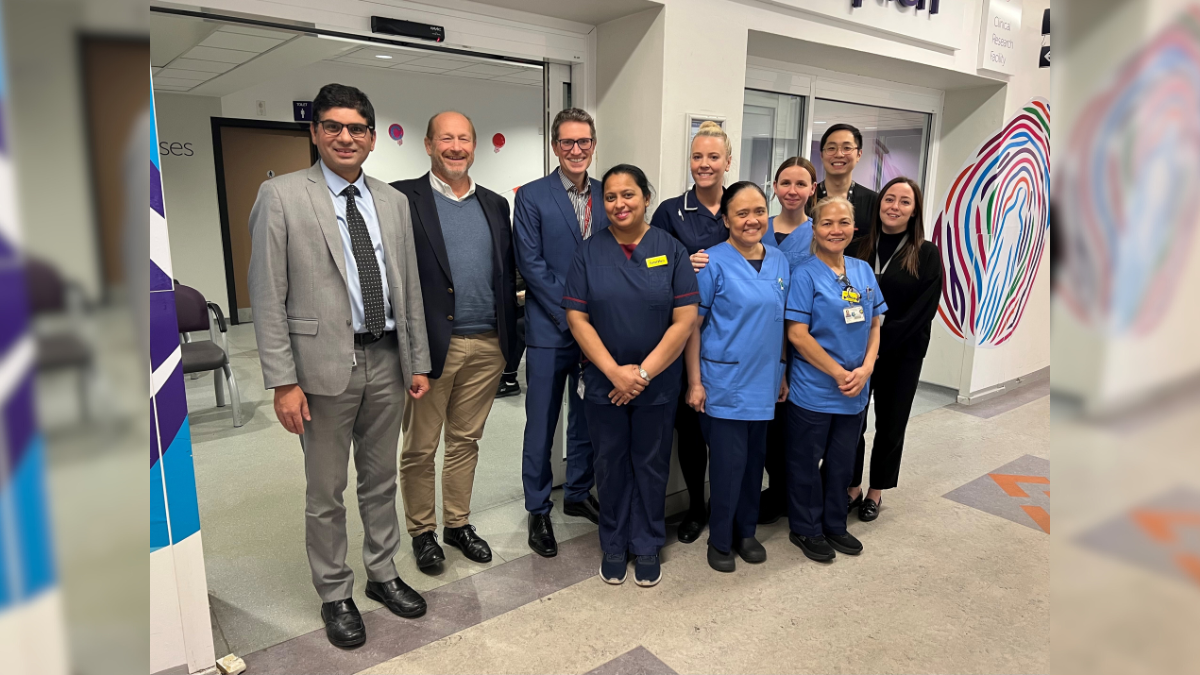
Since opening in 2019, the Midlands Amyloidosis Service (MAS) at Queen Elizabeth Hospital Birmingham (QEHB) has been transforming care for people with amyloidosis, a rare and often challenging to diagnose condition.
For patients who previously had to travel to London’s National Amyloidosis Centre, which has been at the forefront of amyloidosis care for 30 years, the service now brings expert specialist care much closer to home.
Led by Clinical Lead Dr William Moody, the MAS team has diagnosed more than 250 patients to date, with around 150 now receiving novel therapies. The service treats all types of amyloidosis, recognising the diverse ways the disease can present and the importance of multidisciplinary care.
In recognition of its quality and impact, the MAS has recently been awarded NHS England commissioning for the first time. This means that patients from across the country can now be referred into the centre, improving access to specialist amyloidosis care and ensuring more consistent treatment nationwide.
Amyloidosis occurs when a protein called amyloid builds up in organs such as the heart, kidneys, liver, nerves, or digestive system. The condition can be hereditary or non-hereditary and may affect a single area or multiple parts of the body. As its symptoms vary and often resemble those of more common illnesses, it can be difficult to diagnose.
Early detection is vital, as timely treatment can help prevent further organ damage, improve survival rates, and allow for the most effective treatment options.
Dr William Moody, Consultant Cardiologist and Lead Cardiologist for the MAS, said: “Though still underdiagnosed, more patients are now being accurately diagnosed than ever before.
“Many of our patients are in their 70s or 80s, so a long trip to London for diagnosis or treatment isn’t always feasible, which can create significant health inequities. For some of those we’ve seen, having the MAS nearby has been crucial in helping them progress along their referral pathway.
“I’m enormously grateful to all the staff at the Centre for Rare Diseases, where we hold our monthly clinic - it’s a real team effort. Through this service, we’ve been able to give local patients access to vital disease-modifying therapies that have genuinely improved their outcomes, which has been incredibly rewarding.”