Milestone for hospital team caring for patients after surgery
Published on 01/08/2025
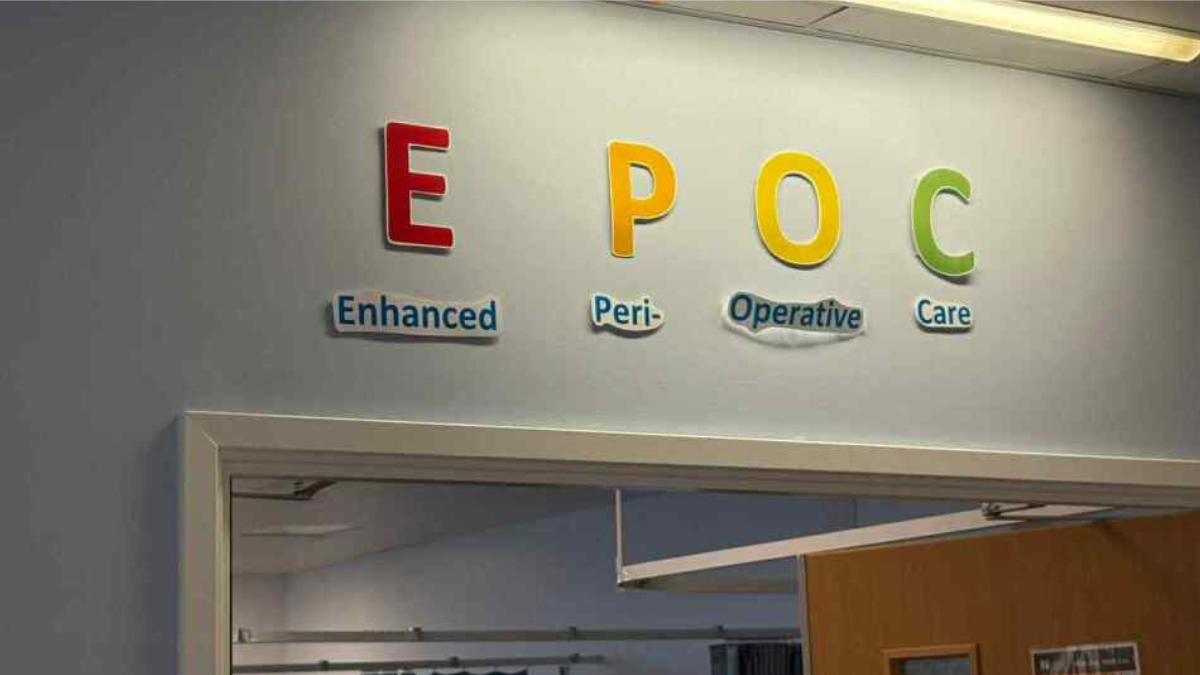
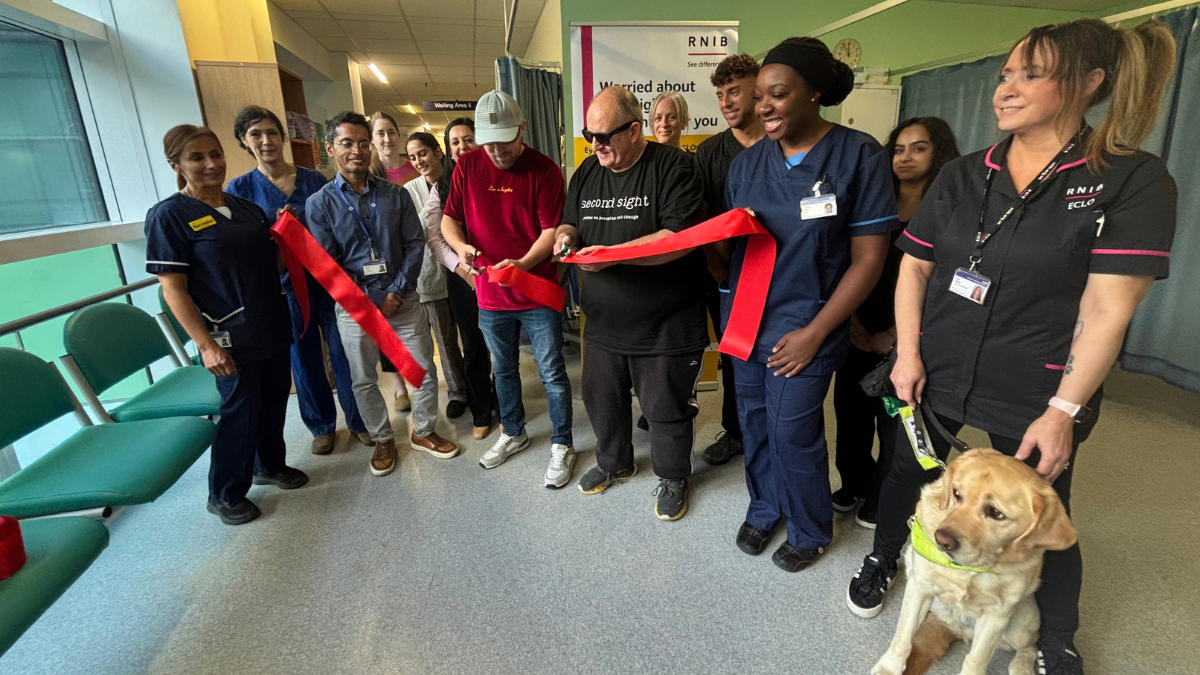
The Enhanced Peri-Operative Care Unit (EPOC) at Queen Elizabeth Hospital Birmingham (QEHB) celebrated major milestone last month: caring for its 5,000th patient.
And at Solihull Hospital, their EPOC unit reached its own significant milestone, by caring for its 3,000th patient.
EPOC was established in 2020 in response to the COVID-19 pandemic, which placed unprecedented pressure on critical care services.
The units were created to care for high-risk, complex patients in a safe environment outside of traditional critical care.
Since then, EPOC has become a vital part of the hospital surgical pathway, supporting patients from a wide range of specialties.
By offering enhanced care post-surgery, the unit helps ensure patients can undergo major operations sooner, without compromising recovery.
The unit at QEHB recently expanded its services to include a weekly intravenous iron clinic, held every Monday. This clinic supports patients with anaemia who are preparing for surgery, helping to improve recovery times and reduce the need for post-operative blood transfusions.
Katrina Shirley, Enhanced Peri-Operative Care Unit Manager at QEHB, said: “We have a wide range of colleagues, both clinical and non-clinical, who work extremely hard to keep EPOC running and are integral to the milestone of having supported 5,000 patients.
“I’m really proud to be part of such a passionate, dedicated team who are constantly looking to improve the experience of patients in EPOC, and this year we’ve received dedicated funding for therapist support, which plays a major role in our patients’ recovery.”
EPOC’s therapy team has also reintroduced ‘surgery school’, where patients come into the hospital before their surgery to learn about recovery expectations and receive guidance on lifestyle changes that can help them feel fit and well sooner.
Matt Metcalfe, Hospital Executive Director at QEHB, added: “EPOC is a shining example of how we continue to evolve and innovate to meet the needs of our patients. It plays a vital role in the very specialist care we provide at QEHB, ensuring that patients with complex needs receive timely, high-quality support before and after surgery.
“Reaching 5,000 patients is a testament to the dedication and expertise of the entire EPOC team, and the difference they make every day to patient outcomes and experience.”
Emma Fellows, EPOC Lead Practitioner at Solihull Hospital, said: “This is a remarkable milestone that reflects the hard work, commitment, and compassion of this amazing team.
“Every member of staff has played a vital role in delivering safe, high-quality care to our patients, often during some of the most challenging moments in their lives.
“Reaching this point is not just about numbers — it’s about the lives we’ve helped support, the recoveries we’ve made possible, and the teamwork that makes it all happen.”