New study aims to improve recovery after cancer treatment in older people
Published on 13/02/2026
Researchers at University Hospitals Birmingham (UHB) and the University of Birmingham, in collaboration with Kings College London (KCL), are leading a new study to understand the factors that influence how well older people recover from cancer treatment and to find ways to keep the body strong.
While age is a known risk factor for developing cancer, in some people, treatments such as chemotherapy, immunotherapy, surgery, and radiation therapy, can trigger processes in the body that resemble ageing.
The study, known as Resilience Breakthroughs in Older people Undergoing cancer proceDures (REBOUND), is examining how key “hallmarks of ageing” - the biological processes that naturally occur as we get older - are affected following treatment for bowel cancer in people aged 65 and over.
By understanding how the body responds to cancer treatment, researchers aim to develop new interventions that could prevent or reduce ageing-related changes and improve the number of years spent in good health. The ultimate goal is to help older people with cancer remain active and continue doing the things that matter most to them.
The study involves analysing DNA for age-related changes, examining gut bacteria from stool samples, and assessing changes in blood and fat cells. Samples will be collected at multiple timepoints before, during, and after surgery. These biological findings will be compared with tests of memory, thinking, strength, and muscle function, alongside information from medical records.
The study aims to recruit 172 participants aged 50 years and older who are scheduled to undergo bowel cancer surgery at UHB, Guy’s and St Thomas’ NHS Foundation Trust, and King’s College Hospital NHS Foundation Trust.
At UHB, recruitment is taking place across two of our hospitals: Queen Elizabeth Hospital Birmingham (QEHB) and Solihull Hospital. Study visits are undertaken flexibly in clinical environments, at the NIHR/Wellcome Trust Birmingham Clinical Research Facility, or within participants’ own homes, depending on works best for the participants.
The study opened to recruitment in Autumn 2024, and to date, 58 patients have been enrolled.
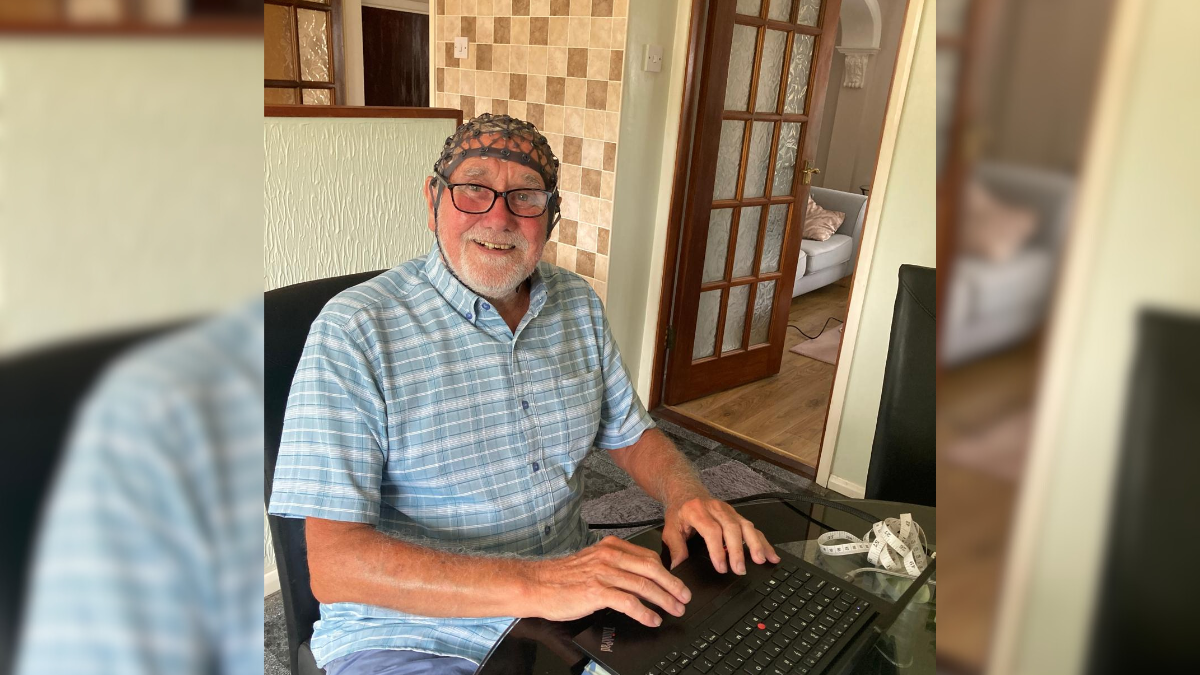
Ken Cox, 82 from Tamworth, who took part in the study last year, said: “I was diagnosed with bowel cancer in January 2025 and had surgery at Solihull Hospital in March. I heard about the study at the time of my diagnosis and wanted to take part as a way of giving something back.
“The team visited me at home to carry out the tests, which made things much easier. Everyone was absolutely wonderful and easy to talk to. I’d like to think this research will help others in the future, and I would encourage people to take up the opportunity if they can.”
The Chief Investigator and UHB Principal Investigator of the study, Professor Thomas Jackson, Consultant in Geriatric Medicine and General Internal Medicine at UHB and Professor in Geriatric Medicine at the University of Brimingham said: “This is really important work that couldn’t be done without the support of patients agreeing to be in the study. We want to understand how the biology of ageing changes when older people have significant events, such as major surgery, and why some people recover well, and others don’t. With this understanding, we can identify ways of improving recovery in everyone and maximising the benefits of cancer treatment.”
The project is a collaborative effort bringing together clinicians specialising in the care of older people, surgeons, and scientists with expertise in ageing and complex data analysis. It is supported by the Dynamic Resilience programme, funded by Wellcome Leap and the Temasek Trust.