New UK study to explore MRI screening as standard practice for detecting breast cancer that has spread to the brain
Published on 11/11/2025
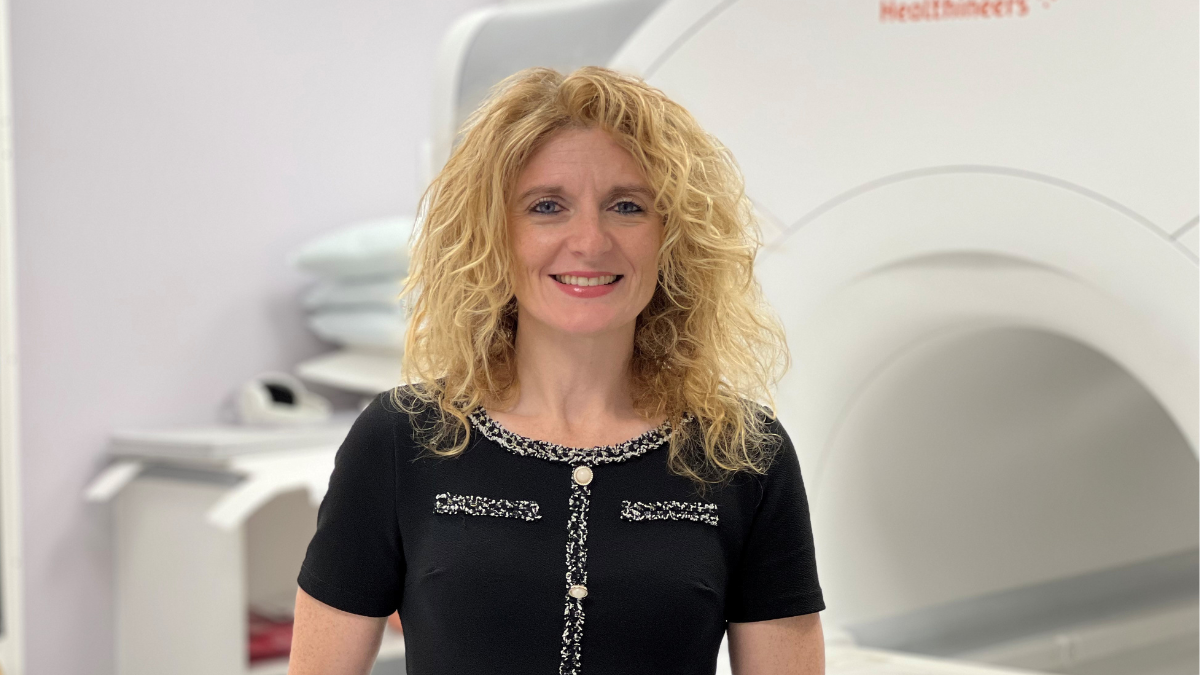
A new national research study, led by researchers at University Hospitals Birmingham (UHB) and The Clatterbridge Cancer Centre NHS Foundation Trust in Liverpool, has opened to investigate whether magnetic resonance imaging (MRI) screening should become standard practice for detecting breast cancer that has spread to the brain.
£219, 560 has been awarded to fund the study over three years by the charity Make 2nds Count, a UK-wide patient and family focused charity dedicated to giving hope to women and men living with secondary (metastatic) breast cancer.
The trial, known as the HER2+ CNS SURVEILLANCE study, focuses on people with HER2-positive (HER2+) secondary breast cancer - a type of breast cancer that has spread beyond the breast to other parts of the body and in which the cancer cells have too much of a protein called HER2 on their surface. This protein drives the cancer cells to grow and divide faster than normal, making this subtype more aggressive.
Patients with HER2-positive breast cancer are at an increased risk of developing brain metastases (cancer spread to the brain), which can have a significant impact on survival and quality of life.
Research shows that detecting brain metastases before symptoms appear can improve outcomes for these patients. The main goal of the study is therefore to see whether regular MRI brain scans are a practical way to detect metastases earlier, allowing doctors to intervene sooner and potentially improve survival.
Dr Sara Meade, Consultant Oncologist at UHB and Co-chief Investigator of the study, said: “We know that around 50% of patients with stage four HER2+ breast cancer will develop brain metastases, which can present with headaches, seizures, stroke-like symptoms, or sometimes be found incidentally on scans.
“Seeing these patients in my clinic made me question why we aren’t actively screening for brain metastases with an MRI, as earlier detection can improve both survival and quality of life. This is why this research study is so important, and in the future, we hope these scans can be delivered in every hospital across the UK.”
Dr Sarah Thomas, Head of Research & Education at Make 2nds Count, said: “As Chair of the Research Committee, I’m proud that we were able to support this vital study through our grant funding programme. HER2+ secondary breast cancer patients face a particularly high risk of brain metastases, and this research has the potential to make a real difference in how we detect and manage these to maintain quality of life.”
The study team aims to recruit 69 patients with HER2+ secondary breast cancer who have not yet developed brain metastases. This initial feasibility study will help determine the practicality of the research, and if recruitment is successful, the team plans to expand it into a larger study involving more patients.
Those taking part will have an initial MRI brain scan, and if no cancer is detected, they will be randomly assigned to receive either ongoing MRI surveillance (a scan both six and twelve months later) or standard care (no scans).
Recruitment is taking place at six cancer centres across the UK, including Liverpool, Birmingham, London, Manchester, Edinburgh, and Cardiff, and one centre in Dublin, Ireland. Patients outside these locations are also welcome to take part if they are able to travel.
If you are living with HER2+ secondary breast cancer without brain metastases and would like to take part, please contact the study team via her2.cns.study@rmh.nhs.uk.
This article is part of our research news collection.
Visit our dedicated research site for more research and innovation news from UHB.