Patients to benefit from new cancer service at QEHB
Published on 26/08/2026
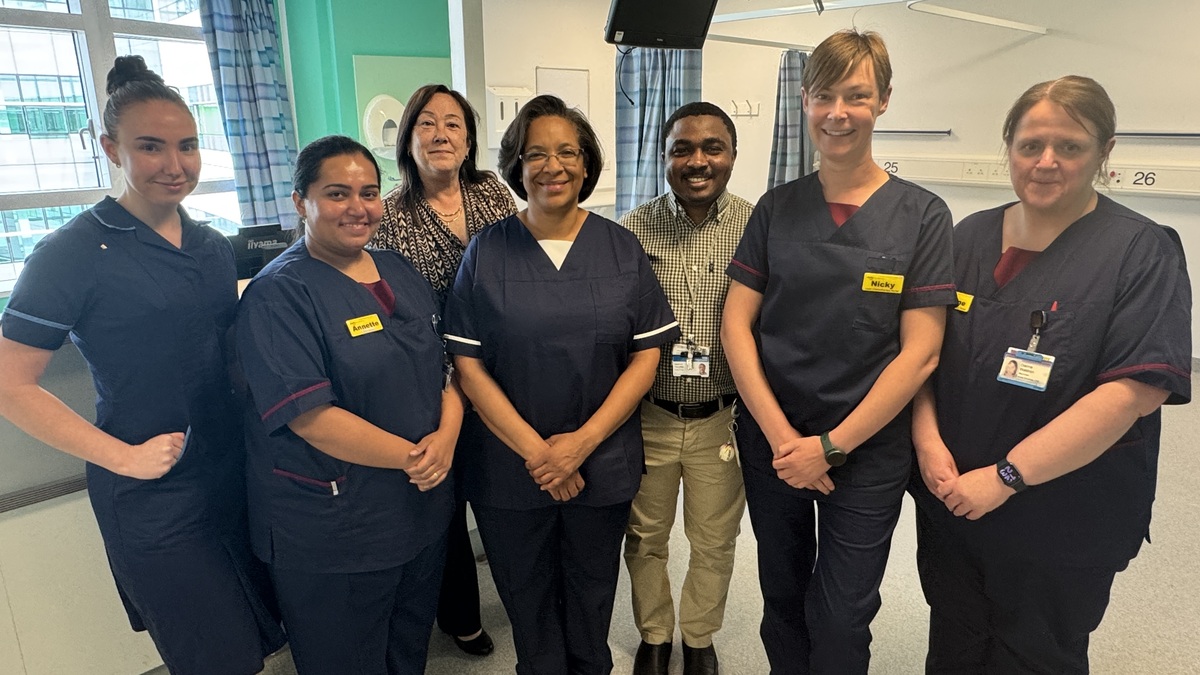
Patients receiving cancer treatment at Queen Elizabeth Hospital Birmingham (QEHB) are set to benefit from an enhanced ambulatory care service designed to help more people receive treatment without the need for prolonged hospital stays.
The Haematology and Oncology Service at QEHB has now relocated and expanded its ambulatory service on Ward 621 as part of a wider programme of service transformation. The phased move is expected to be completed by the end of September.
The development follows 18 months of extensive work by a multi-professional team, including audits, service pilots, pathway reviews and patient assessments, to identify those patients who can safely receive treatment through an ambulatory care model.
Ambulatory cancer care enables patients to attend hospital for treatment, monitoring and support while avoiding unnecessary inpatient admissions. The approach is already established across many NHS organisations and has been shown to improve patient experience while ensuring high-quality, safe care.
By redesigning treatment pathways, the service aims to allow more adults, teenagers and young adults (TYA) undergoing cancer treatment to receive the care they need while spending less time in hospital.
The changes will also help release inpatient bed capacity on Ward 623, supporting the Trust's wider efforts to improve patient flow and make the best use of hospital space. Dedicated inpatient services for young people will remain unchanged.
As part of the plans, the Acute Oncology Service's Hot Clinic facility will move from Ward 622 to a dedicated area within Ward 621. The new location will provide dedicated clinic and side-room space to support daily ambulatory patient care and help reduce pressure on acute inpatient services.
UHB’s Pharmacy teams have been instrumental in establishing a new aseptic facility, creating the capacity needed to enable the expansion of cancer services and meet growing patient demand.
The new aseptic facility provides safe, high-quality preparation of cancer treatments and supporting an improved experience for patients.
Prof. Manoj Raghavan, Consultant Haematologist, said: "This development represents a significant step forward in how we deliver care for patients receiving cancer treatment.
"Our teams have worked closely together over many months to design pathways that allow more patients to be treated safely on an ambulatory basis, reducing the need for hospital admission while maintaining high standards of care.
"We know that many patients prefer to spend as much time as possible at home or doing the things that make them happiest, which isn’t being in hospital, this model helps us support that while also improving the overall experience for patients, families and staff."
Dr Pete Hewins, Hospital Medical Director, said: “This innovative project supports QEHB’s vital transformation work, which is focused on delivering more quality, personalised and efficient care, in the pursuit of delivering our hospital’s strategic aim to provide simply better care for patients.”