World Asthma Day: ‘Remarkable outcome’ study may lead to burden ease
Published on 05/05/2026
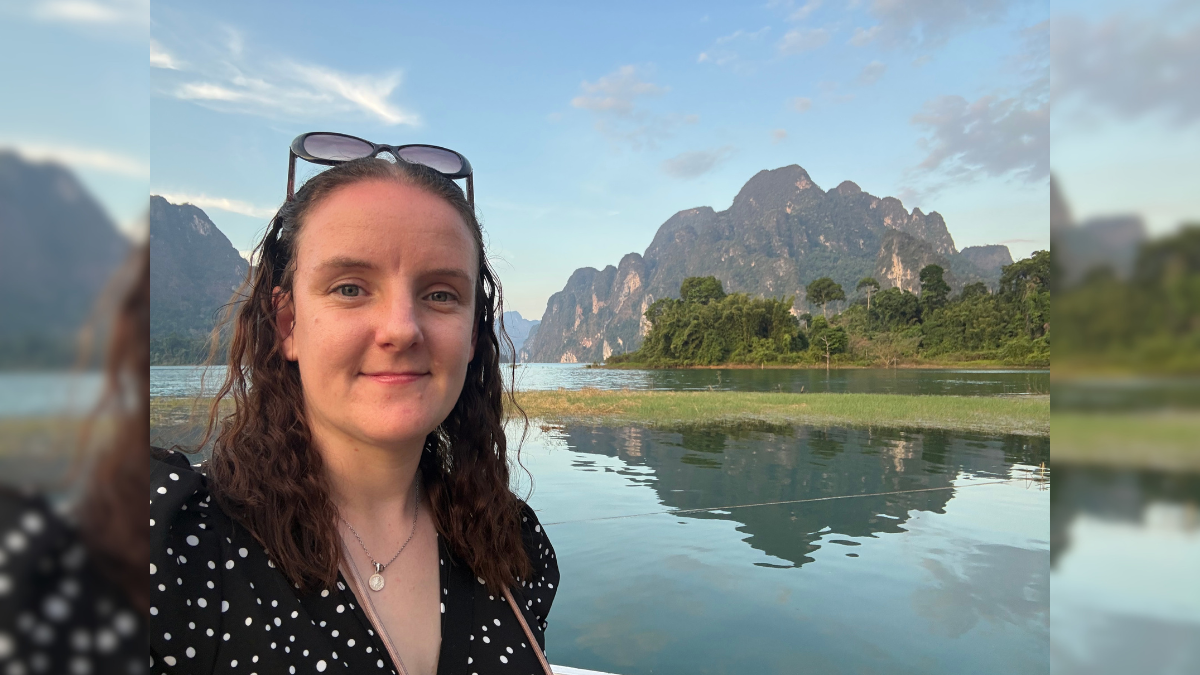
A nurse living with asthma tested a new drug which showed that patients could reduce the regularity of medication, lessening the clinical and patient burden.
Emma Wilson, 34, took part in a clinical trial called GSK 206785 NIMBLE at Heartlands Hospital, part of University Hospitals Birmingham NHS Foundation Trust. She has had asthma since she was 15, and at its worst, was admitted to hospital most months, including stays in high dependency and intensive care.
The results show that switching to the drug depemokimab, administered twice a year, had the same outcome as mepolizumab/benralizumab, administered every four or eight weeks.
Depemokimab is an ultra-long-acting biologic medicine used for treating severe, uncontrolled respiratory conditions driven by specific types of inflammation. Mepolizumab is a prescription antibody used to treat severe asthma, and benralizumab is an antibody used as an add-on maintenance treatment.
Approximately 2,650 participants were screened globally in GSK 206785 NIMBLE to achieve approximately 1,700 participants.
In 2022-23, Emma, a Cystic Fibrosis nurse from Leicester, was one of the first Heartlands patients to be offered the chance to take part in the trial, as she was already on biologic medication (mepolizumab), plus inhalers, tablets and nebulisers.
“At that point I was considering changing biologic treatment but then the trial came up and I thought I’d give it a go - I didn’t have anything to lose,” said Emma.
“My current role as a specialist nurse and previous role as a research nurse working with children means I have a good understanding of the benefits of research. GSK 206785 NIMBLE really interested me as it works on reducing the treatment burden of biologic medications.
“NIMBLE offered me the chance to take the medication twice a year, instead of every four weeks, which was really appealing.”
Emma had monthly ECGs, blood and lung function tests during the trial, which was double-blind. This meant neither the participants nor the researchers knew whether the participants were taking the drug or the placebo.
She added: “Since completing the study, I found out I received the new treatment. This meant that I had this twice and my 4-weekly treatment was a placebo given to replace my pre-existing treatment. I was really well looked after by the research team both during and after the study, with a dedicated point of contact.”
Ultimately, Emma decided this particular treatment in the long term wasn’t for her, but she was delighted to take part in research. It gave her the opportunity to try a potential new medication before it was licensed which gives valuable information for making future treatment decisions.
“Unfortunately, this treatment didn’t benefit me but it’s important to know - now that this drug is about to be licensed - that I know it doesn’t work for me,” she said.
“But for those people it will work for, it’s incredible to go from 4-weekly treatments to only having it twice a year on the new drug.
“At the end of my trial I switched to a different medication which keeps my asthma under better control.
“I'm now on dupilumab - another biologic medication - which has reduced my reliance on reliever inhalers and made my life more predictable. I no longer have as many hospital admissions and I have recently been able to travel for six months, without worry.”
Sam Caddick, the Respiratory Research Nurse from Heartlands Hospital who recruited Emma to the study, said: “On World Asthma Day, studies like NIMBLE GSK206785 highlight the vital role of clinical research in advancing asthma care and improving patient outcomes as a result.
“The results of the study are a remarkable outcome as this will reduce patient and clinical burden. We sincerely thank all participants, including Emma, whose involvement is essential to driving meaningful progress.”
Participants took part in the three-year study for a maximum of 66 weeks over four phases: Pre-screening (0-2 weeks); screening/run-in (1 to 8 weeks), intervention period (52 weeks), and follow-up period (4 weeks).
This article is part of our research news collection.
Visit our dedicated research site for more research and innovation news from UHB.